


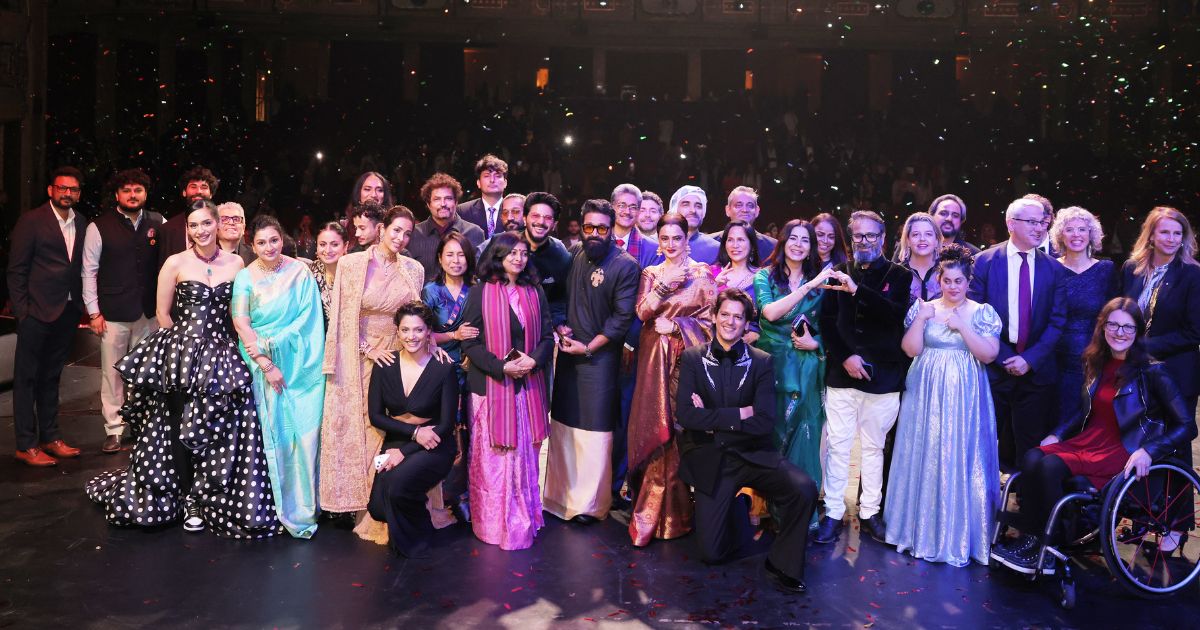
The curtain came down on the 17th Indian Film Festival of Melbourne (IFFM) on August 23, bringing to a close eleven days of cinema, celebrity, culture and conversation across Melbourne and regional Victoria. Held under the powerful theme “Shared Stories, Shared Humanity,” the festival once again demonstrated why it has become one of the most significant celebrations of Indian and South Asian cinema outside India.
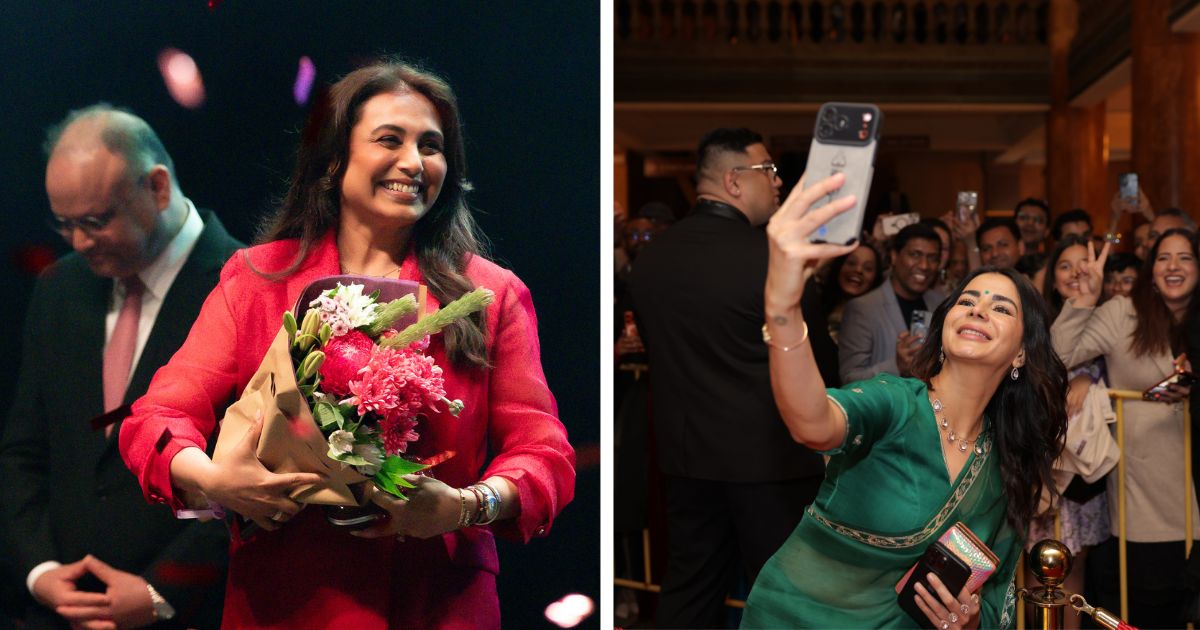
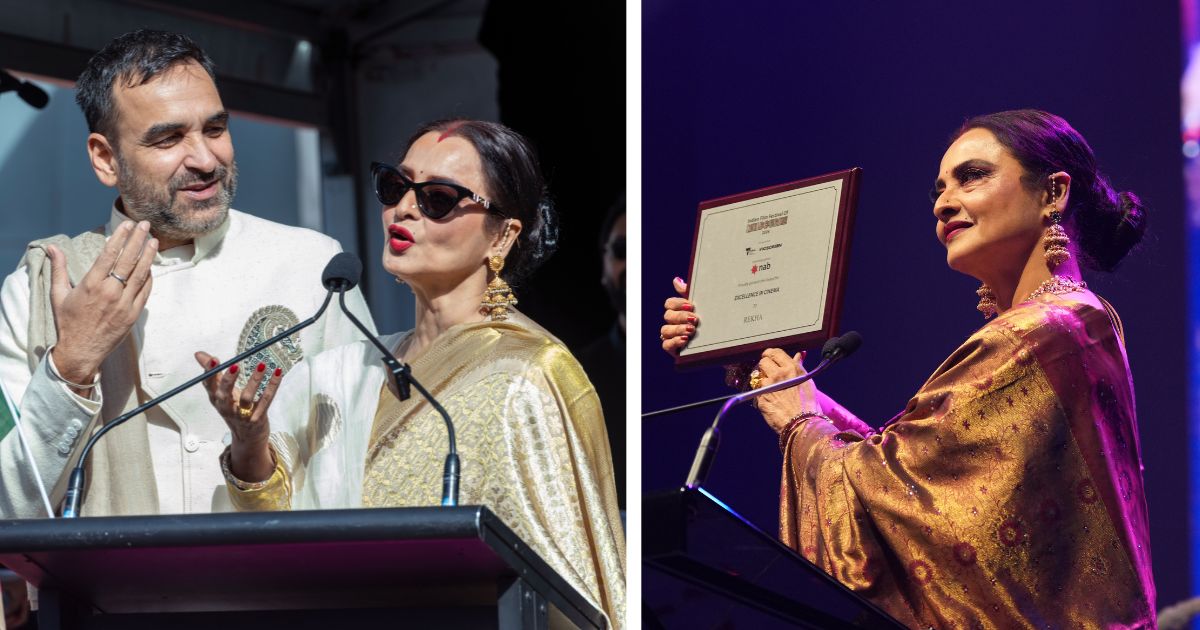
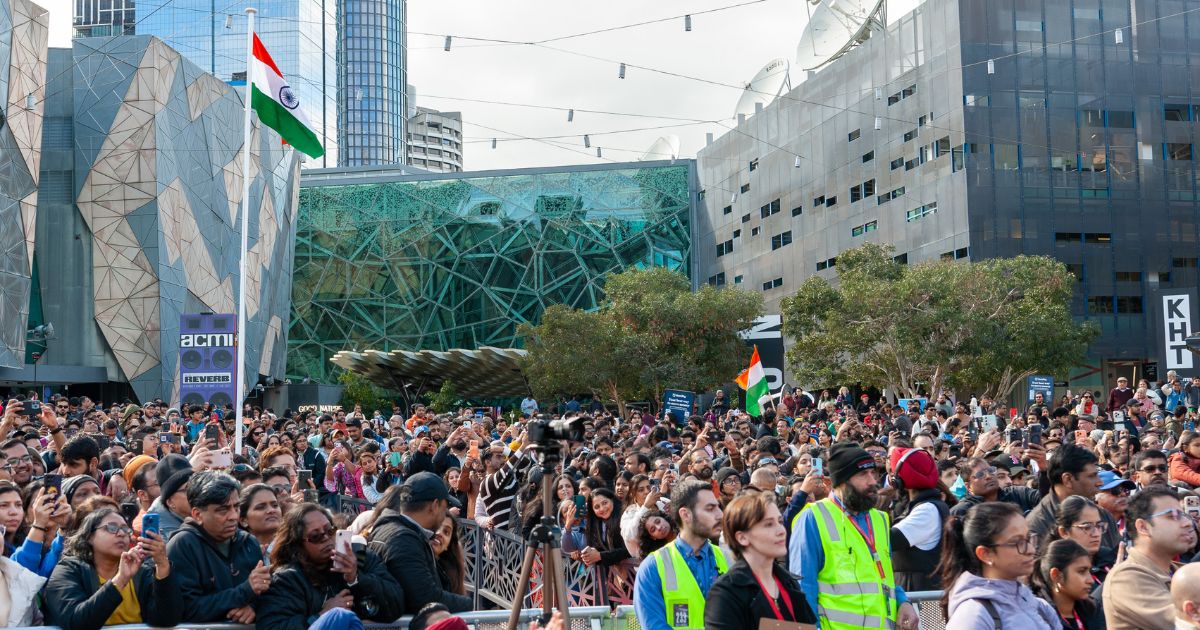
From Rekha’s celebrated presence and flag-hoisting at Federation Square to Rani Mukerji’s 30 Years in Cinema celebration, the festival brought some of Indian cinema’s most recognisable names together with emerging filmmakers and independent voices. The programme featured 79 feature films and 56 short films across 35 languages, reflecting the extraordinary diversity of the subcontinent’s storytelling traditions.
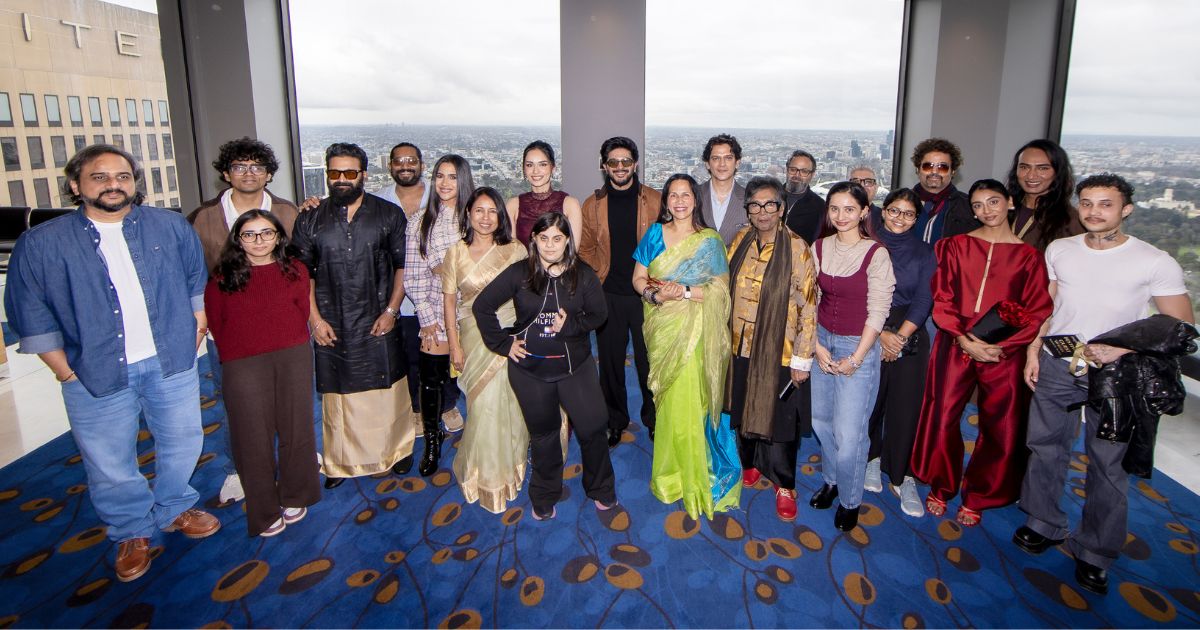
The awards were equally reflective of this diversity. Rishab Shetty emerged as one of the major winners, taking Best Director and the Leadership in Cinema honour, while Dulquer Salmaan won Best Actor and Kirti Kulhari Best Actress. Lokah Chapter 1: Chandra took Best Film, while Rima Das’s Not a Hero was recognised as Best Indie Film. The festival also celebrated streaming talent, with Vijay Varma and Rasika Dugal receiving acting honours for their series work.
Beyond the red carpet, IFFM 2026 broadened its cultural reach through Indigenous Indian cinema, Pride programming, low-sensory screenings, filmmaker conversations and Regional Rhapsody screenings in Geelong, Bendigo and Shepparton—taking Indian storytelling beyond Melbourne's CBD and into regional Victoria.
The festival's closing night provided a fitting final note. Benu Bindra’s Graveyard Shift, a world-premiere short about the loneliness and resilience of immigrant women in Melbourne, was paired with Tannishtha Chatterjee’s Full Plate, starring Kirti Kulhari—a story exploring identity, discrimination, family and a woman's fight for independence.
Ultimately, IFFM 2026 proved that its greatest strength lies not simply in bringing India's stars to Melbourne, but in bringing India's many voices to the world. From mainstream cinema to regional, Indigenous, independent and emerging storytelling, the festival offered a richer portrait of contemporary India—while creating a shared cultural space for Australian audiences and the Indian diaspora.
As the lights dimmed on August 23, one message remained clear: when stories cross borders, humanity finds common ground.
G’day India
