

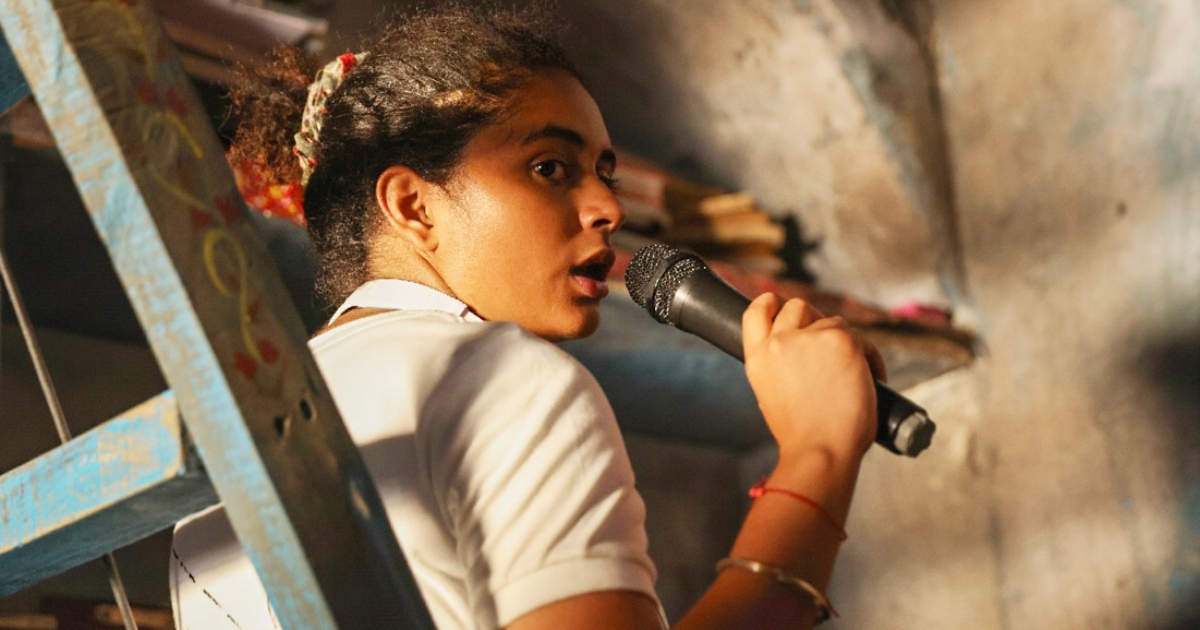
At just twenty-three, filmmaker Devi Dang has written and directed Deeva: “The Radiant Light” shot in the spiritual heart of Banaras, a soulful debut that explores faith, empathy and self-realisation through the story of a woman’s quiet strength.
At an age when most are still finding their place in the world, Devi Dang had already created hers—behind the camera. Her debut feature Deeva: “The Radiant Light” has travelled from Germany to Melbourne and the United States, earning praise for its emotional honesty and visual grace.
“I was twenty-one when I wrote the film, twenty-two when I directed it, and by twenty-three we were done with post-production,” she smiles.
Born into a family steeped in cinema—her father has long worked in documentaries and television—Devi initially resisted the industry. “When you’ve seen both its glamour and its harsh truths, you wonder if it’s for you,” she says. But theatre, which she began at five, drew her inevitably toward storytelling. “Theatre taught me emotion. Cinema became its extension—a larger, deeper stage.”
That empathy defines Deeva, a film set in Banaras that follows a woman’s inner awakening. “Without empathy, you cannot make a film,” Devi explains. “My protagonist’s circumstances differ from mine, but her emotional core—anxiety, hope, courage—is universal.”
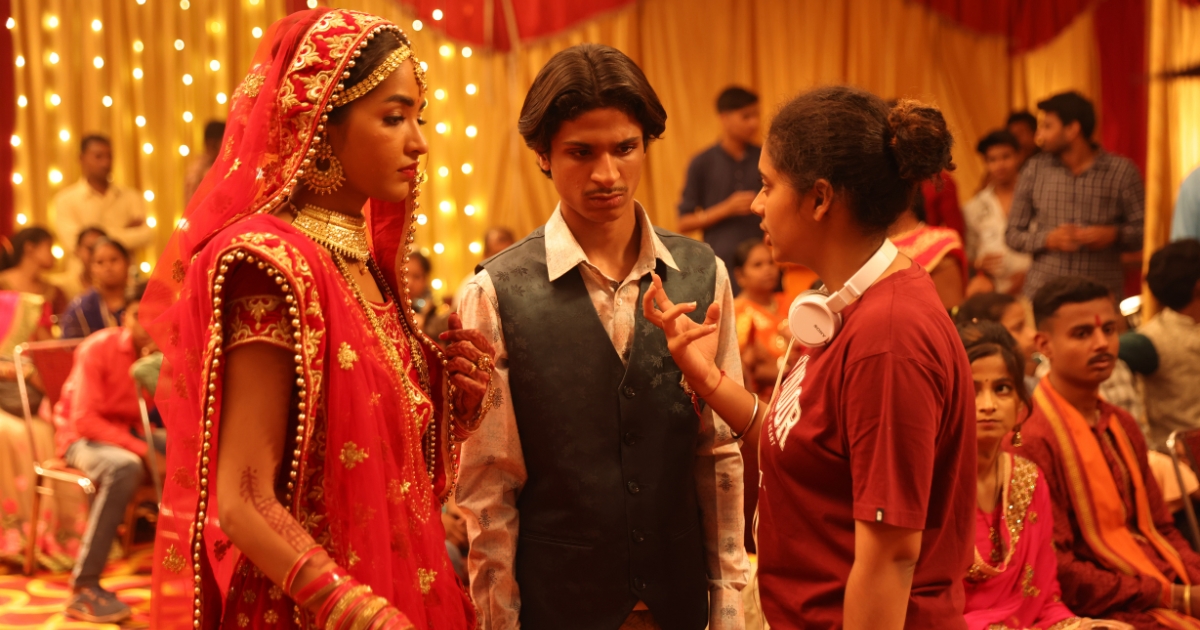
The film’s title emerged from a spiritual moment. “It was Diwali night in the Gurudwara,” she recalls. “The shabad ‘Deeva Mera Ek Naam Dukh Vich Paya Tel’ was playing, and suddenly everything connected—the name, the theme, even the location of Banaras. It felt destined.”
For Devi, light symbolises introspection. “In Sikhism, Jag Chandan—the divine light within—teaches us to look inward. The film’s message is the same: the light we seek outside already lives within us.”
Music became another expression of that light. She wrote the lyrics for Khudi Mein Hai, the film’s haunting anthem. “When the poetry met Ujwal Kashyap’s composition, it was magic. The song carried the film’s soul.”
Every phase of filmmaking, she says, was a test of faith. “Writing, funding, shooting, releasing—each step was hard. You do your karam and then trust the universe. Some things are simply beyond control.”
Deeva’s international screenings proved that deeply Indian stories can speak across borders. After one German screening, a woman approached Devi in tears. “She said she was a single mother and felt every moment of the film. That’s when I realised emotion travels further than language.”
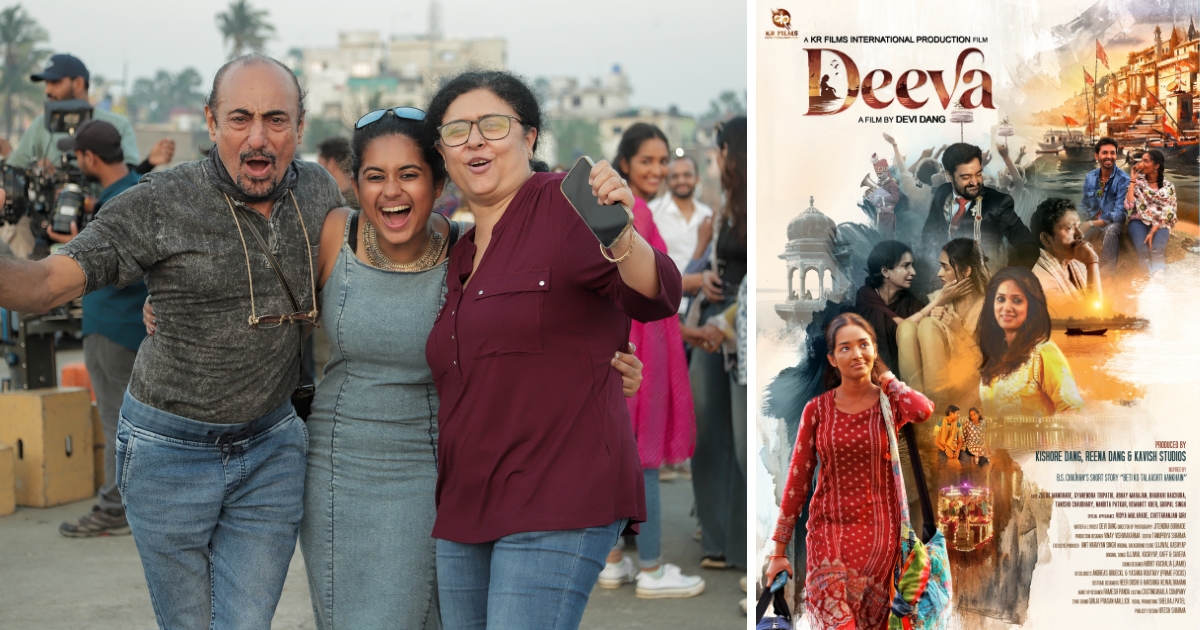
Devi’s future lies in character-driven stories about ordinary people who find extraordinary strength. “I am drawn to internal journeys—how people grow, heal, and face their own truths.”
Her greatest inspirations are her parents. “Everything I achieve is for them,” she says softly.
On her first visit to Australia, she left with fond memories. “We fell in love with Melbourne—the people, the energy, and the coffee! The festival was a dream.”
At twenty-three, Devi Dang stands poised between promise and purpose. “Filmmaking is difficult at every step,” she reflects, “but if you believe in your light—and in the universe—you will always find your way.”
By Tonee Sethi
