

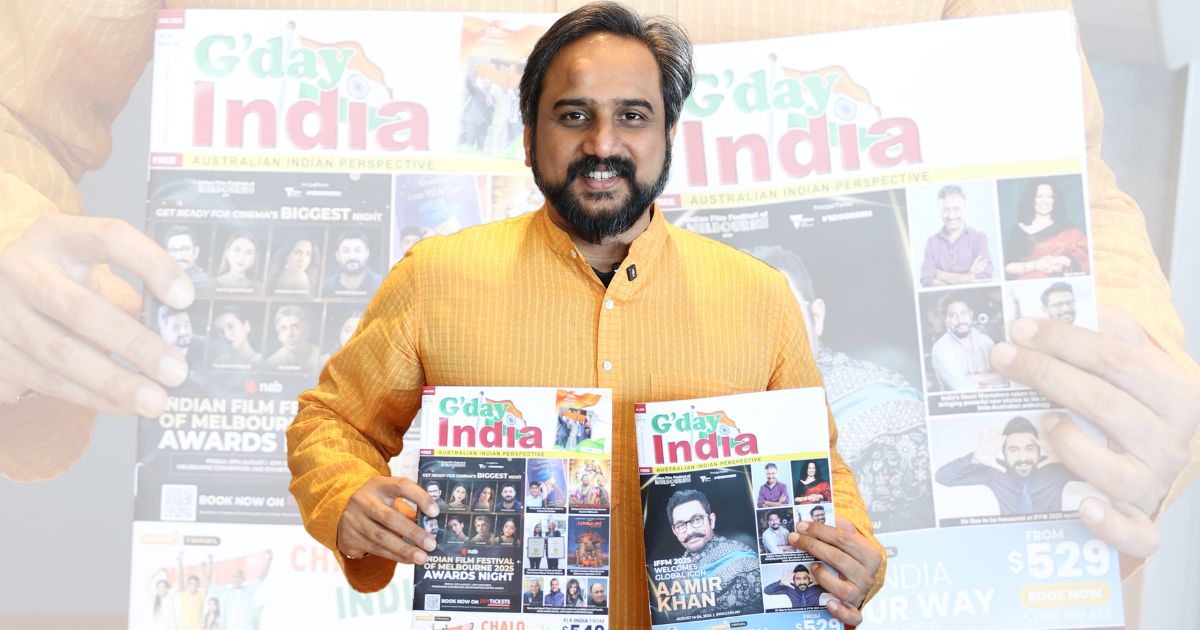
From his mother’s daily prayers to working with Aamir Khan, the filmmaker shares how faith shapes his art.
R. S. Prasanna speaks with the calm conviction of a man who has found his calling. For him, filmmaking is not just a profession, but an act of faith, a surrender to stories, people, and the possibilities of cinema. Best known for Shubh Mangal Saavdhan and now at the helm of Aamir Khan’s much-anticipated Sitaare Zameen Par, Prasanna has built a reputation for balancing humour, sensitivity, and emotional depth.
When asked what he might have been had he not become a filmmaker, his answer is immediate: “I would still be desperately trying to become one.” For him, storytelling is life itself. “God or nature gives each of us a unique calling. To discover it, and to have family that supports you in that journey—that’s the greatest blessing.”
Prasanna describes his journey as a blend of hard work, destiny, and faith. He recalls how his mother prayed every single day during the five years he struggled to make his first film. “I don’t know if I believe in God, but I believe in faith. Faith can move mountains—and my mother’s faith in me kept me going.”
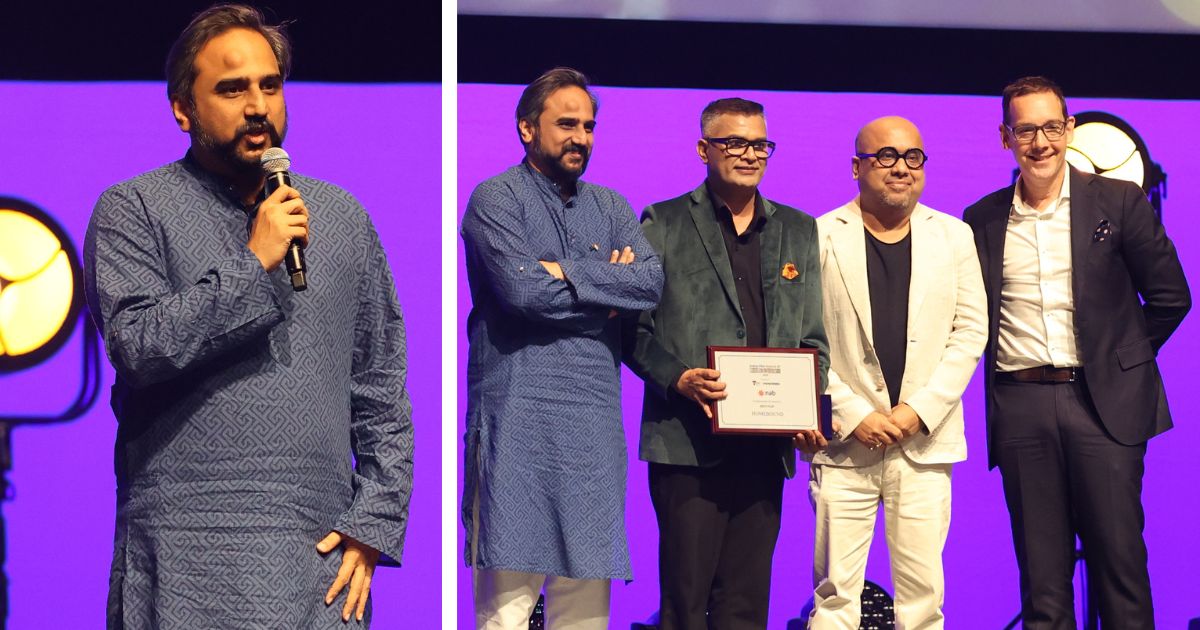
His collaboration with Aamir Khan on Sitaare Zameen Par is something he calls a “once-in-a-lifetime experience.” His admiration is evident: “Aamir sir doesn’t care about your background or your box office numbers. He only looks for honesty and the desire to tell a story. When he finds that, he becomes the jet booster behind your back. I truly love and respect him for that.”
Despite the scale of the project, Prasanna identifies his biggest creative challenge as learning to let go. “As a director, the instinct is to show off, but with this film, I knew the magic belonged to the children. My challenge was to step back, disappear, and let them shine. The simplicity of their presence is what makes people connect.”
Working with neurodiverse children, he says, was the most enriching part of the process. “People often think inclusive spaces are about neurotypical people doing a favour for the neurodiverse. I see it as the reverse. They do us a favour by making the space happier, more empathetic, more loving. Every day, they would hug me before and after the shoot. They don’t care about fame or money. They just care about connection. That’s the biggest gift.”
When asked about his “recipe” for success—given that all of his films so far have been hits—Prasanna smiles. “The only recipe is not to follow one. Cinema is not maths; what worked once won’t necessarily work again. The biggest risk is not taking a risk. After each film, I step away from the industry, go back to my family, do normal things, even argue about what to watch on TV. It grounds me, makes me an audience again. That’s the only way I know.”
This is Prasanna’s first visit to Melbourne, and the city has already charmed him. “It’s such a beautiful city, such lovely people. I grew up watching shows about Australia, and I’ve always dreamt of seeing kangaroos and koalas. Now that I’m here, it feels even more special.”
As the conversation winds down, Prasanna returns to his original thought—that filmmaking is his life’s purpose. “If I weren’t a director, I’d still be begging for a chance to become one. Filmmaking is what brings me alive.”
And perhaps that is what makes R. S. Prasanna so compelling—not just as a filmmaker, but as a person. His work is grounded in faith, shaped by humility, and fuelled by a childlike belief in magic. In letting go of himself, he allows cinema to breathe—and in that space, stories find their heart.
By Tonee Sethi
